



Your Flexible PCB Manufacturer in China
- Layer Capability: 1–8 layers for various flexible PCB designs.
- Materials: High-quality PI with 1/3–2 oz copper options.
- Line Width/Spacing: Minimum 2/2 mil for high-density circuits.
- Surface Finish: ENIG, OSP, Immersion Silver, Immersion Tin, and Lead-free HASL.
- Size & Thickness: 6×6–406×610 mm sizes and 0.1–0.8 mm thickness.
- Tolerance Control: ±0.05 mm tolerance, 6 mil minimum drill size, and 3 mil annular ring.
- Quality & Certification: AOI, electrical and visual inspection. UL, ISO 9001, RoHS, and REACH compliance.
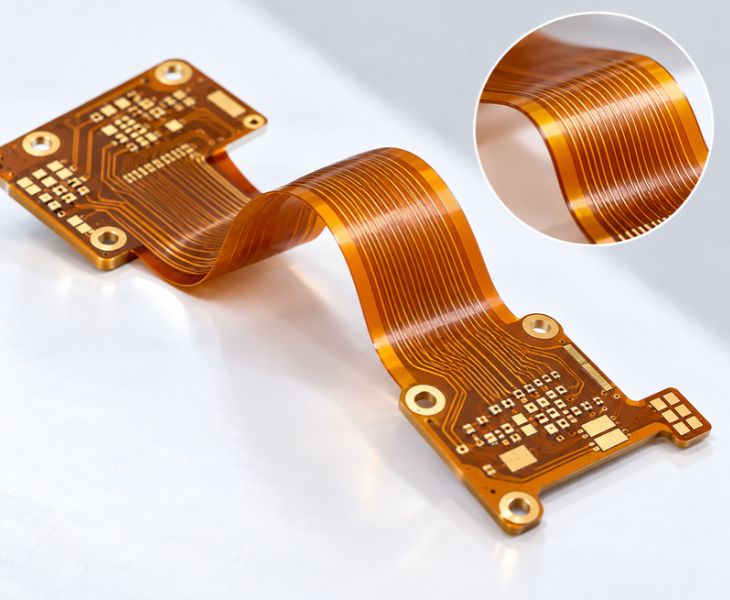
What is a Flexible PCB?
Flexible PCBs are circuit boards made from bendable substrates. They sustain continuous electrical connectivity during bending, folding, and dynamic movement. Compared to rigid PCBs, flexible PCBs are lightweight, thin, and space-saving, widely used in miniaturized and movable electronic components.
Relying on mature FPC manufacturing processes, professional DFM reviews, and end-to-end quality control, Consons provides customized flexible PCB solutions to help you refine product structures and accelerate product development.
Flexible PCB Type by Structure
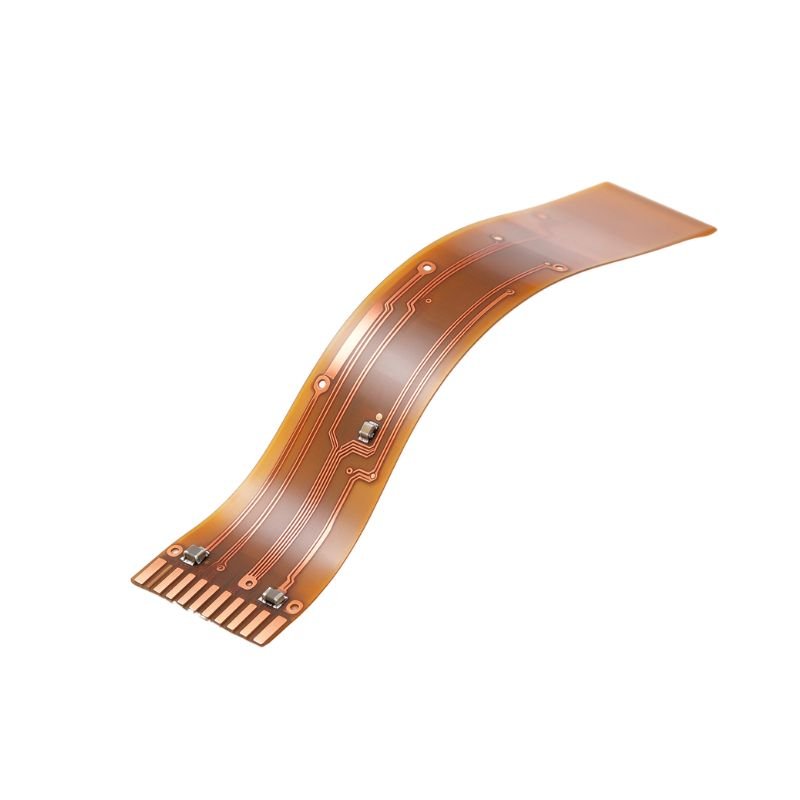
With a simple construction, suitable for electronic devices with a small number of circuits and basic spatial connections.
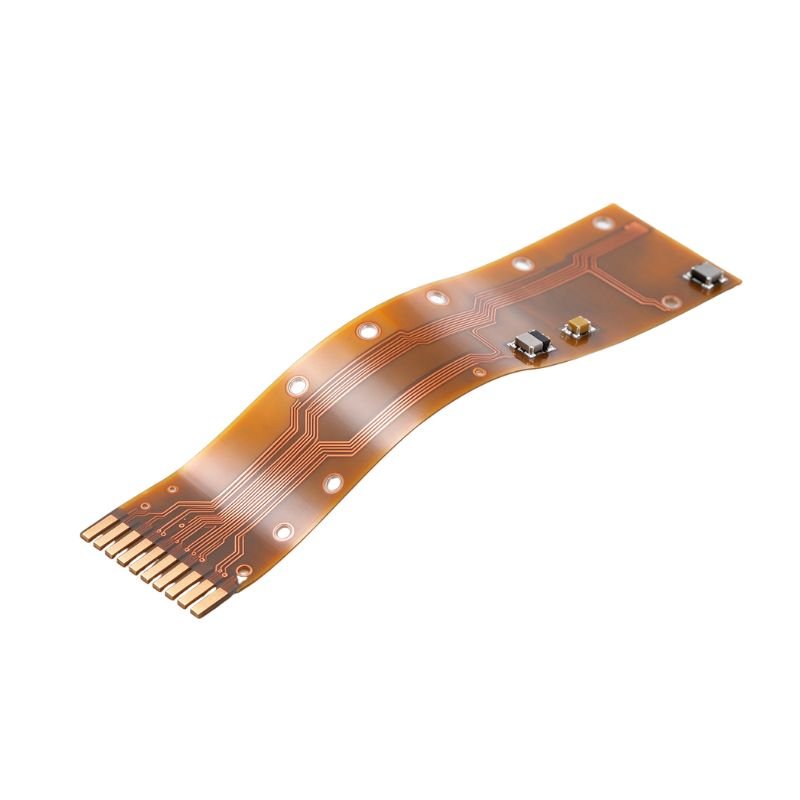
Compared to single-sided FPC, double-sided routing designs have higher circuit density, improving space utilization and supporting more signals and functions.

Made by laminating multiple conductive layers with flexible insulating material, achieving a high-density and multi-functional circuit layout.
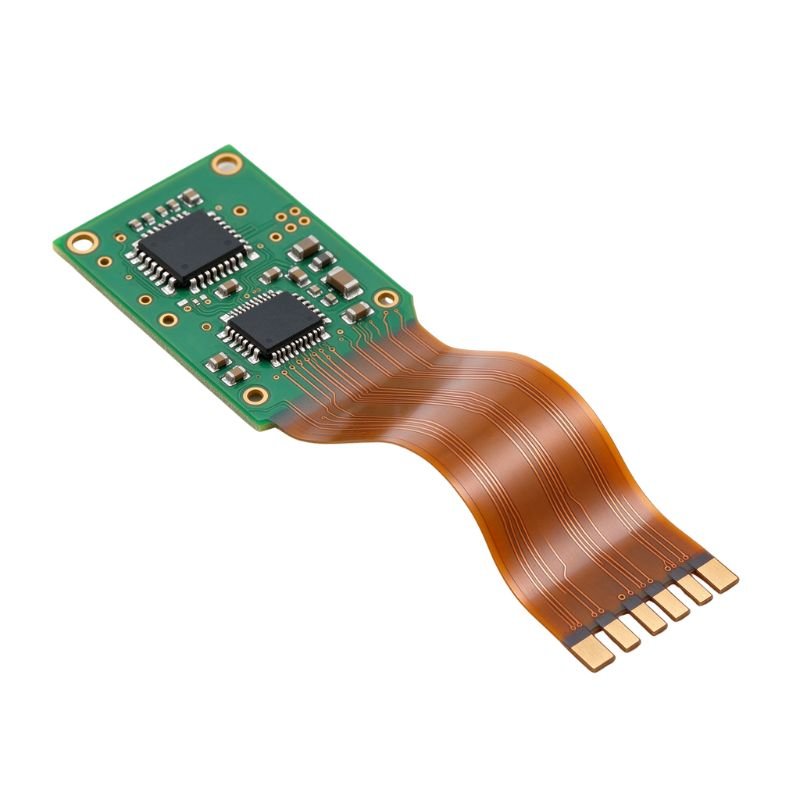
Combining rigid and flexible PCBs can reduce the number of connectors and simplify the assembly process.
Flexible PCB Type by Material
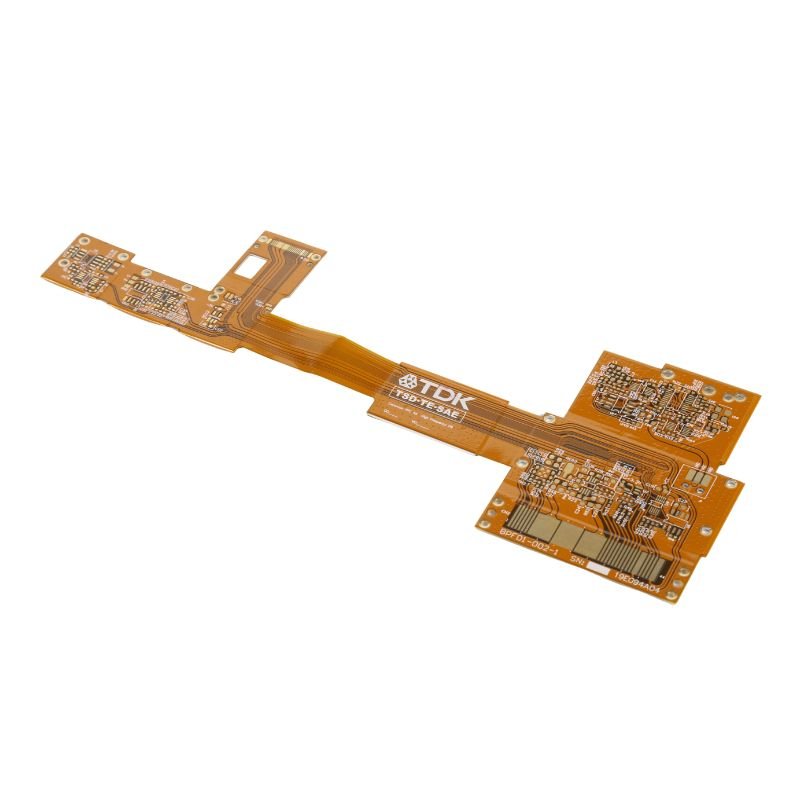
By using an adhesive layer to connect the copper foil and the PI substrate, suitable for large-scale production.
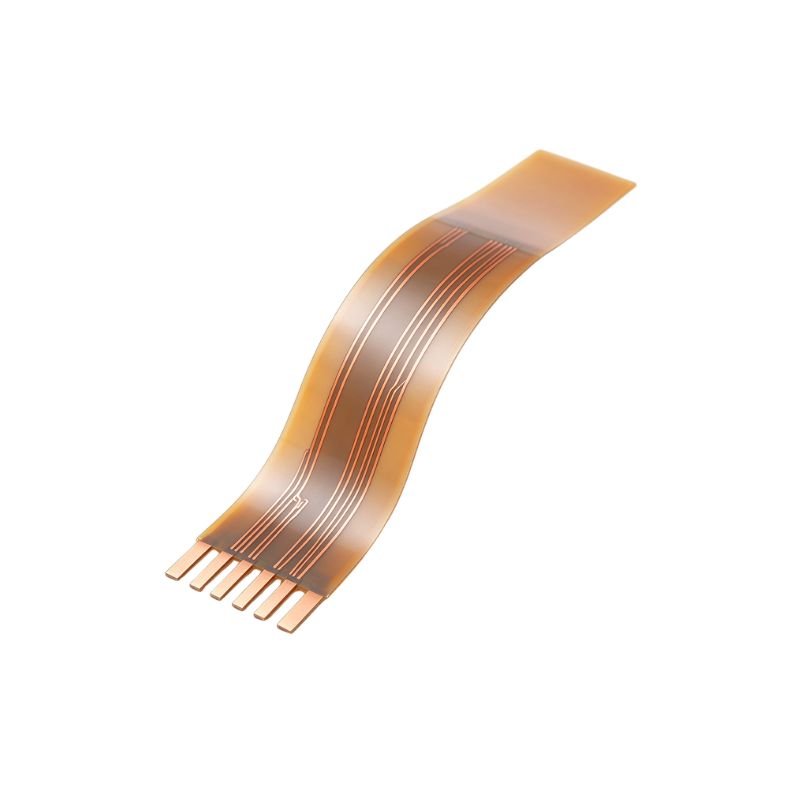
Without the additional adhesive layer, achieving a thinner and more stable structure.
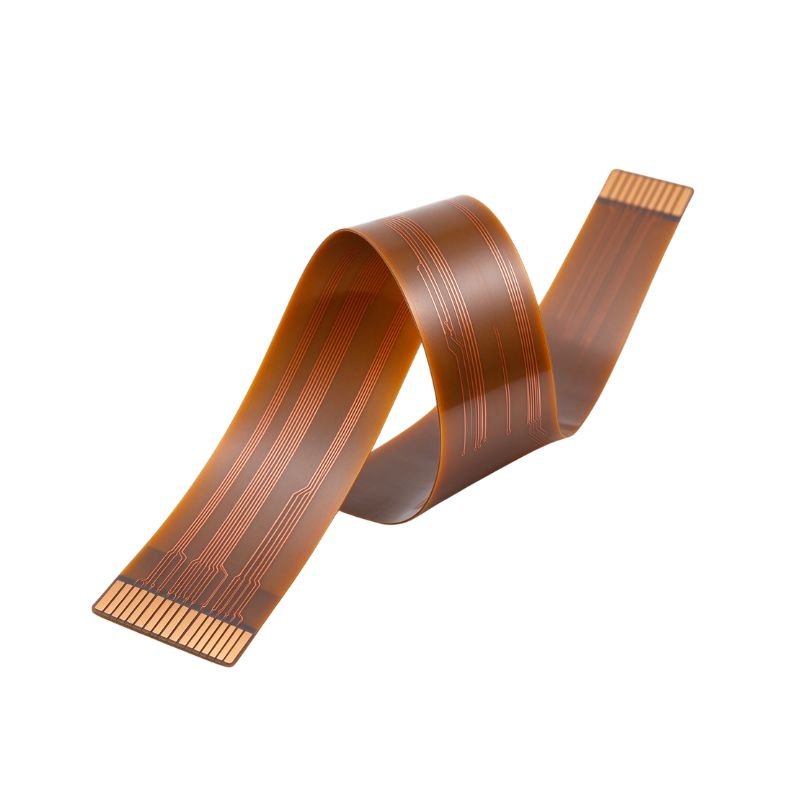
Offers excellent heat resistance, mechanical stability, and flexibility, meeting the majority of industrial and electronic requirements.
Flexible PCB Type by Technology
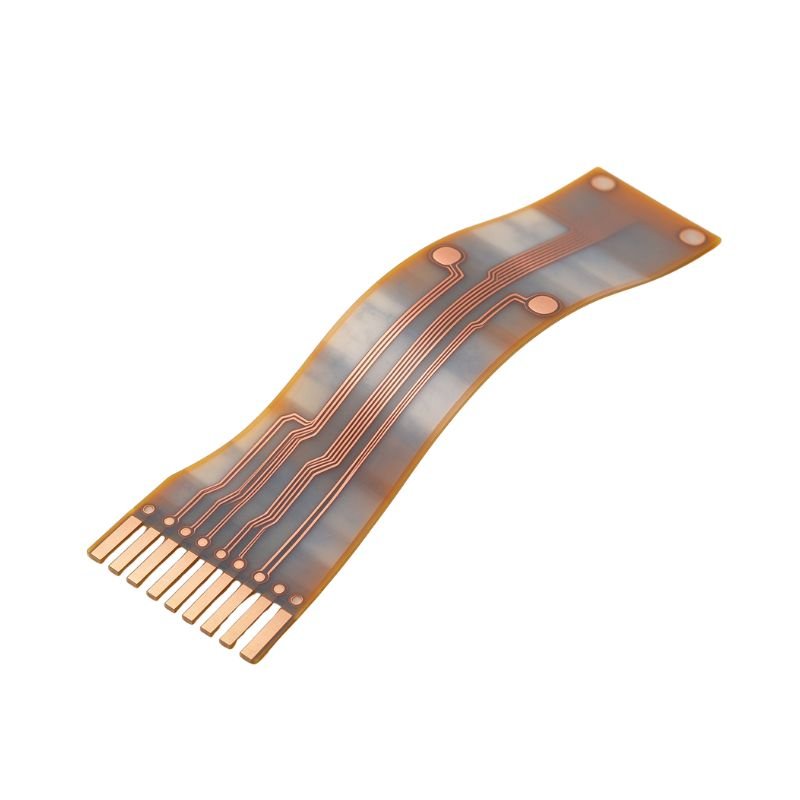
Utilizes a refined FPC manufacturing process to address common circuit connection demands.
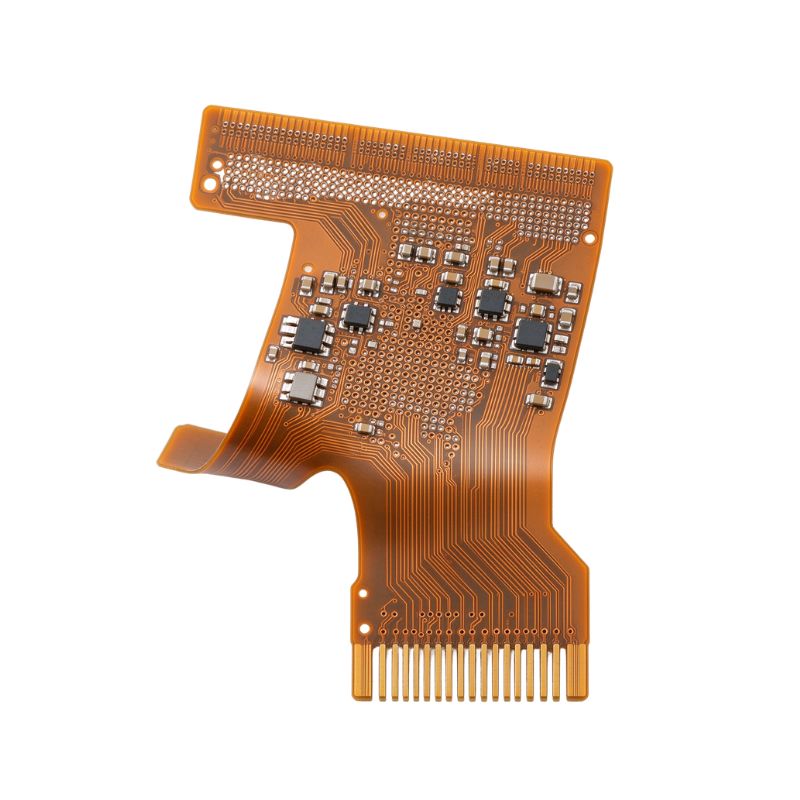
Employing micro-pitch, high-density circuit technology to achieve smaller sizes and higher integration designs.
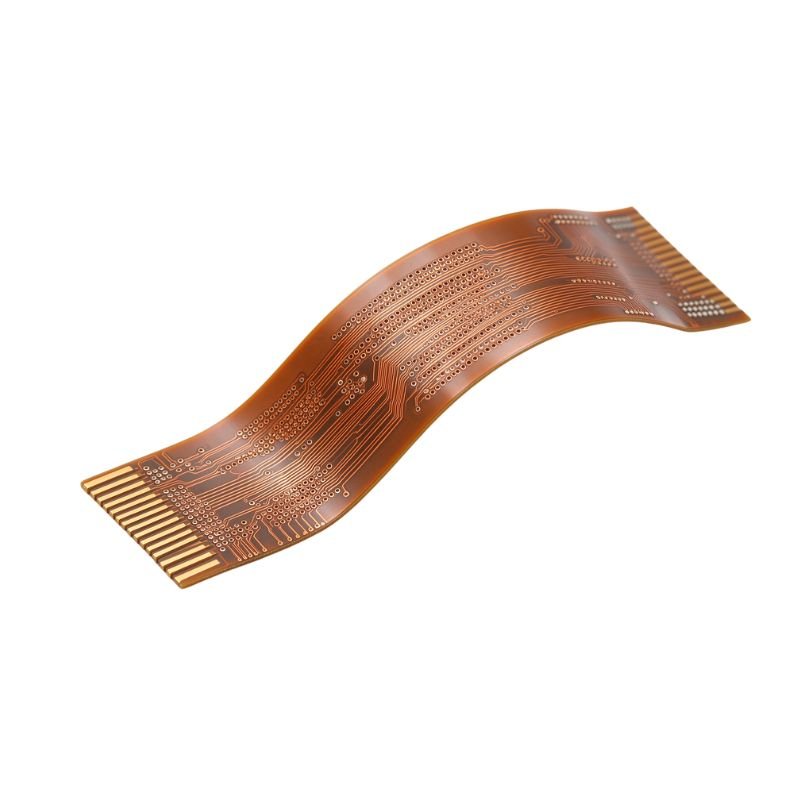
Implementing materials with low dielectric loss will improve high-speed communication integrity and satisfy the demands of high-frequency applications.
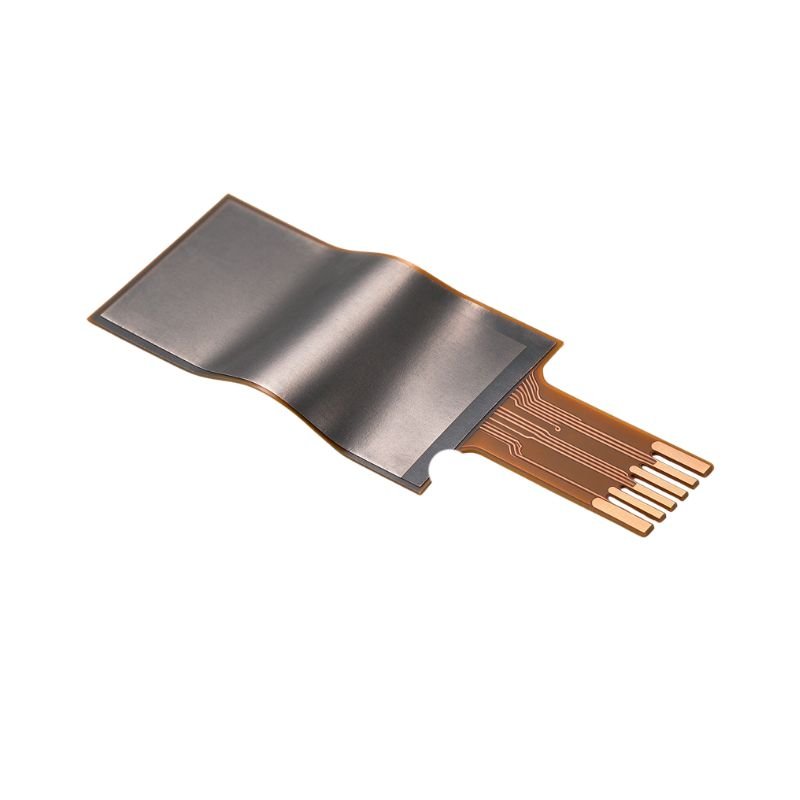
Through shielding films, conductive layers, or special structures to reduce EMC interference, ideal for medical devices, automotive electronics, and high-precision instruments.
Advantages of Consons Flexible PCB

Designed with impedance control to guarantee reliable signal transmission and support high-speed signal applications.

The multi-layer structure achieves separation of the signal layer, power layer, and ground layer, decreasing electromagnetic interference.

High-quality copper foil provides reliable conductivity, well-suited for signal transmission and medium-current circuits.

The flexible and foldable structure can support 3D spatial wiring, replacing traditional connection methods and optimizing the internal layout of the equipment.

The lightweight and flexible structure can reduce the overall weight of the device, fulfilling the design demands of portable and wearable devices.

It reduces connector and wiring harness connection points, improves the device’s vibration resistance, and enhances reliability in complex operating environments.
Flexible PCB Manufacturing Process Control
Consons implements strict process controls throughout the flexible PCB manufacturing process. These controls cover all stages, including material preparation, circuit processing, lamination, surface treatment, and final inspection. We place primary emphasis on controlling the stability of the PI material, the strength of the copper foil bonding, the accuracy of interlayer alignment, and dimensional tolerances. These measures safeguard the reliability of your flexible PCBs even under conditions that involve repeated bending and long-term operation.


Fully Customized Flexible PCB Solutions
At Consons, we provide fully customized flexible PCB solutions tailored to your project requirements. From layer configuration, material selection, copper thickness design, and reinforcement solutions to special process demands, our engineering team will optimize the circuit structure according to your product design needs to develop the most suitable flexible circuit solution. Our approach helps you shorten design adjustment time and accelerate the transition from prototype validation to mass production.
Why Choose Consons As Your Flexible PCB Partner
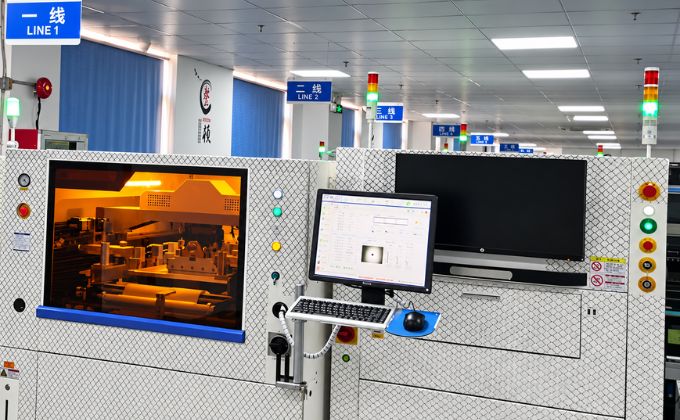
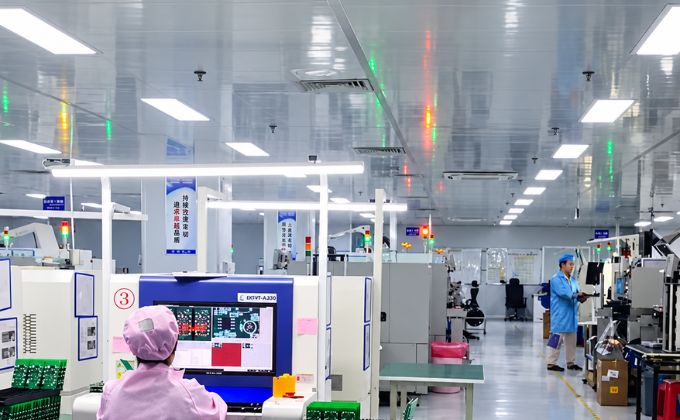
Consons has a 35,000 m² manufacturing facility, 15 SMT production lines, and 4 DIP production lines. We offer one-stop services from flexible PCB manufacturing to PCBA assembly, helping you reduce supply chain coordination costs and improve overall project efficiency.
In addition, our engineering team can provide free DFM and DFA evaluation services by reviewing your Gerber files. This enables optimized circuit design and minimizes pre-production manufacturing risks. And we use RoHS-compliant materials and manufacturing processes to comply with global market regulations, supporting your products’ entry into international markets.
Our Flexible PCB Specification
| Feature | Capability |
| Quality Grade | Standard IPC 2 |
| Number of Layers | 1‑8 layers |
| Order Quantity | 1pc‑100000+pcs |
| Build Time | 2days‑5weeks |
| Material | DuPont PI, Domestic Shengyi PI |
| Board Size | Min 6×6 mm, Max 406×610 mm |
| Board Thickness | 0.1mm‑0.8mm |
| Copper Weight (Finished) | 1/3oz‑2.0oz |
| Min Tracing/Spacing | =1/3oz:2mil/2mil, >1/3oz:3mil/3mil |
| Solder Mask Sides | As per the file |
| Solder Mask Color | Green, White, Blue, Black, Yellow |
| Solder‑stop coating‑Soldermask oil | Green, White, Blue, Black, Red, Yellow |
| Solder‑stop coating‑Coverlay | PI and PET film |
| Silkscreen Sides | As per the file |
| Silkscreen Color | White, Black, Yellow |
| Surface Finish | HASL‑Hot air solder leveling Lead‑free HASL‑RoHS ENIG‑RoHS Immersion Tin‑RoHS OSP‑RoHS Immersion Silver |
| Min Annular Ring | 3mil |
| Min Drilling Hole Diameter | 6mil |
| Min. hole size‑Drilling (PTH) | 0.2mm |
| Min. hole size‑Punching (NPTH) | 0.5mil |
| Tolerance of dimension | ±0.05mm |
Where Are Consons’ Flexible PCBs Applied?
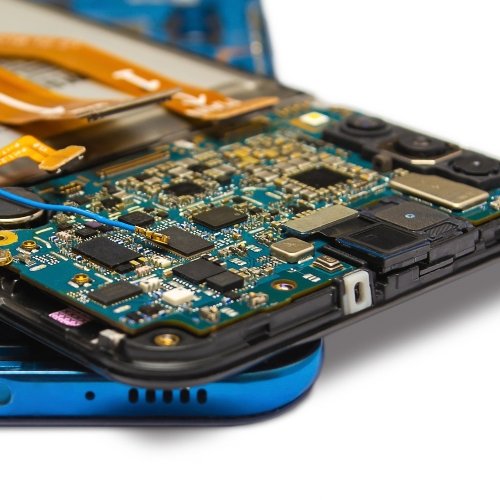
Our flexible PCBs excel in the production of smartphones, wearable devices, and digital cameras. These flexible PCBs are thin and lightweight, facilitating product miniaturization and adapting seamlessly to limited internal space.

Vehicle displays, battery management systems, vehicle control modules, and more can utilize our flexible PCBs. These PCBs have excellent vibration resistance and heat resistance, which enhance connection stability.

Our flexible PCBs are also used in surgical equipment, medical imaging systems, and patient monitoring devices. Their high-density circuits support the integration of complex electronic functions and can accommodate installation requirements for specialized shapes while delivering stable signal acquisition and transmission.

Robotic systems, industrial controllers, and sensor devices can also be built using our flexible PCBs. The multilayer design of these PCBs supports numerous signal and power layouts. They also have impedance control capabilities to effectively handle high-speed signal needs.

Our flexible PCBs are lighter and take up less space than traditional wiring harnesses, supporting complex 3D installations. They are designed for drone flight controllers, aerospace instruments, navigation systems, and similar products.

LED products usually have narrowly elongated, curved, or uniquely shaped designs, requiring the PCB to conform to the product’s form. Our flexible PCBs support custom sizes and shapes and can perfectly fit curved surfaces and unique structures.
Project Cases of Consons Flexible PCB

This customer required a 4-layer flexible PCB to be developed for the control module of a smart wearable device. Given the limited internal space of the product, the original rigid PCB solution took up too much space. It could not satisfy the circuit’s need to withstand repeated bending during daily use.
We use DuPont Kapton PI substrate and adjust the copper foil thickness to 1/2 oz to enhance the flexibility and space utilization of the flexible PCB. This effectively reduces the internal installation space while preserving steady electrical performance under repeated bending conditions.

This customer developed electronic modules with connector interfaces that require flexible PCBs to remain reliable under conditions of repeated plugging and unplugging and mechanical stress over the long term. Regular flexible sections are unable to provide sufficient support and are easily deformed.
We designed an FR4 reinforcement structure to enhance the mechanical strength of the connection area by analyzing stress conditions. We also employed ENIG surface treatment to improve soldering stability. This solution extends durability and decreases damage risk during assembly.
You May Also Be Interested In


Our flexible PCBs are composed of high-performance polyimide, electrolytic copper foil, coverlay, and reinforcing materials. This PI substrate features high-temperature resistance, dimensional stability, and flexibility. It can achieve sustained stable performance even under repeated bending.
We also offer adhered/adhesive-free PI, custom copper thicknesses and reinforcement solutions, which you can select to suit your project.
We commonly recommend that the dynamic bending radius of our flexible PCBs be kept within 5–10 times the PCB’s total thickness. Under test conditions, flexible PCBs can withstand over 100,000 dynamic bending cycles. In static bending applications, we support installation bends ranging from 90° to 180°, which vary depending on the material, board thickness, and structure.
However, the actual performance is determined by the substrate, copper foil, and laminate structure. Our engineers will optimize the laminate and structural design for you to enable the flexible PCB board to achieve stable performance under your operating conditions.
- Material Structure: Adhesive-based flexible PCBs use an adhesive to connect the copper foil and PI substrate, whereas adhesive-free flexible PCBs feature a structure where the copper foil is directly integrated with the PI substrate, without an additional adhesive layer.
- Thickness: Adhesive-based flexible PCBs are thicker overall because of the additional adhesive layer; adhesive-free flexible PCBs have a thinner structure and are better suited for limited space.
- Flexibility: Adhesive-free flexible PCBs have minimal adhesive layer stress and can retain dimensional stability during dynamic bending.
- Heat Resistance: Adhesive-free flexible PCBs offer better thermal performance; adhesive-based flexible PCBs can only meet regular product requirements.
Yes. We support component procurement, SMT assembly, and soldering, while undertaking small-batch prototyping and large-volume mass production orders. Our assembly services operate in conjunction with in-house FPC production lines. We strictly adhere to the IPC A-610 and IPC 2223 production standards to guarantee uniform quality in the flexible PCBs you receive.
We offer flexible PCB reinforcement materials that include PI, FR-4, stainless steel, and aluminum. These various reinforcement materials can be used to enhance mechanical strength in particular areas, meeting the needs of connector mating, component soldering, and structural support. We can also select the most suitable reinforcement material according to your drawings and operating conditions to improve structural reliability.
Yes. We use laser cutting and precision machining processes to accomplish complex external contours and internal grooves, while also meeting the structural requirements of plating tanks. For grooves with very small dimensions or special structures, our engineers will conduct a DFM assessment using your design files and provide you with an optimized solution.
Our flexible PCBs support order volumes ranging from 1 to over 10,000 pieces. We can satisfy prototype and sample needs and handle large-volume production orders.
Our standard lead time spans 2 working days to 5 weeks. For projects with custom technical requirements, the precise lead time will depend on your layer count, material selection, and process complexity. Submit your Gerber files to our engineering team, and we’ll deliver an accurate quote and production schedule.