



How Our Engineering Team Supports Your Project

Our electronics and mechanical engineers work with customers throughout the project. We review product requirements, identify design and manufacturing risks, and help prepare the product for prototyping and production. Support can be provided for new product development or for improvements to an existing design.

We develop or review PCB layouts according to the circuit design, product dimensions, component requirements, interfaces, and manufacturing constraints. The layout is evaluated for signal routing, component placement, reliability, manufacturability, and test access according to the project scope.

Our engineers can support schematic development and circuit review for electronic products. We evaluate how the power, control, sensing, communication, and other functional sections work together and recommend changes when design risks are identified.

Hardware development support can include component selection, schematic development, PCB layout, interface definition, prototype preparation, and design updates based on test results. The agreed scope is defined according to the customer’s existing files and product requirements.
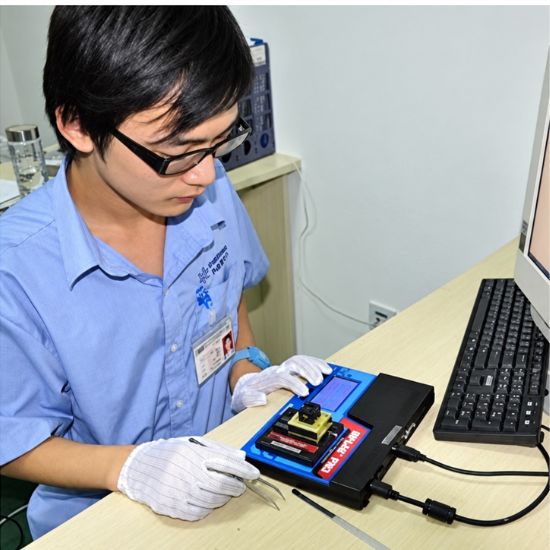
Where required, we can support embedded firmware development, IC programming, debugging, and firmware updates. Firmware requirements, source-code ownership, development milestones, and validation criteria are confirmed before the project begins.
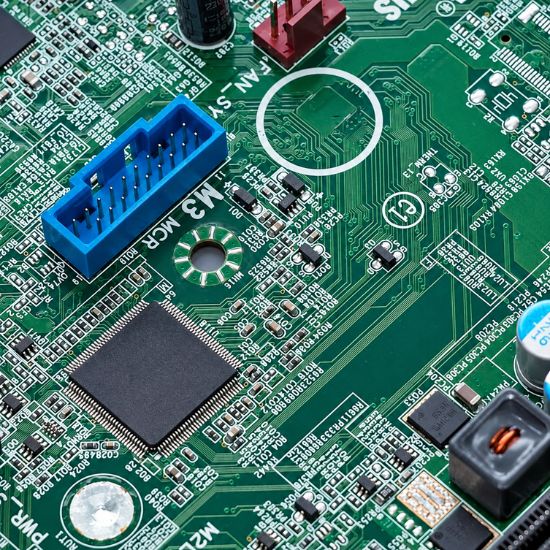
Design for Manufacturing and Design for Test reviews help prepare the product for stable production and efficient testing. Our engineers evaluate fabrication and assembly constraints, component placement, panelization, test access, and other risks that may affect quality, cost, or lead time.

Before volume production, we can build working prototypes for evaluation. Support can include design review, component sourcing, PCB fabrication, assembly, programming, and functional testing. Prototype feedback can then be used to improve the design and production process.

We test prototypes and electronic assemblies according to agreed requirements and customer-approved procedures. Results can be used to identify design or production issues, guide corrective actions, and prepare the product for repeat manufacturing.