


Why You Can Trust CONSONS HASL PCB
The main function of HASL (Hot Air Solder Leveling) is to protect the copper layer from oxidation while improving the solderability of the pads. As HASL plays a critical role in PCB manufacturing, SMT assembly, and even final system assembly, CONSONS maintains strict control over this process. In the production of HASL PCBs, CONSONS uses automatic and multi segment air knives to maintain the coating thickness of 1–25 μm, with a strict cross-board tolerance within ±3 μm.
The PCBs we provide have a shelf life of over 12 months and can withstand harsh environments with high Tg (170 °C+).
Based on your PCB structural design and soldering requirements, CONSONS is committed to providing you with the most suitable HASL PCB solution.
Types of CONSONS HASL PCBs By Tin Coating Formulation
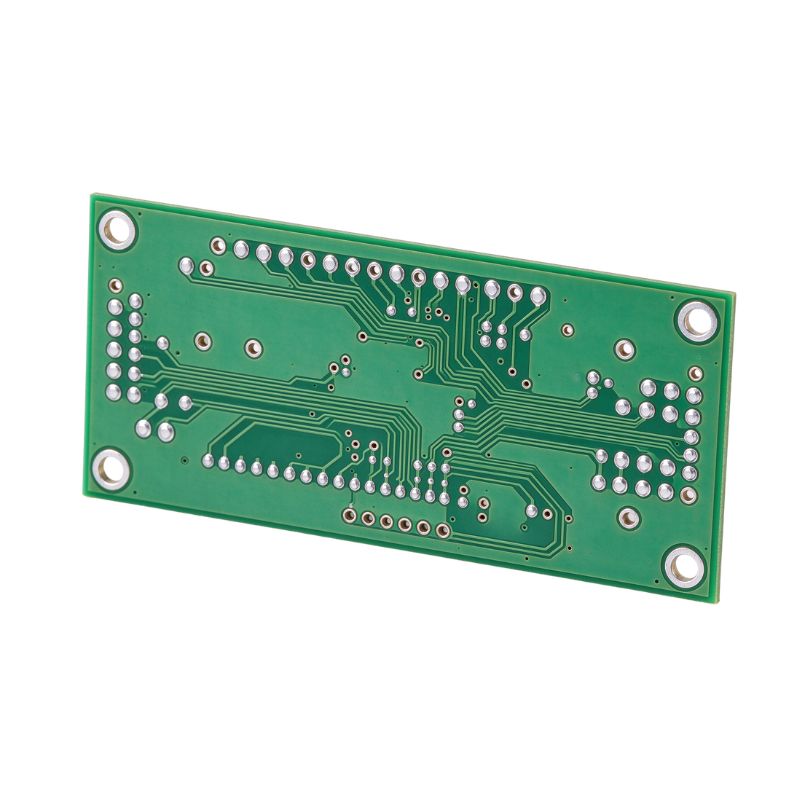
The tin layer consists of a tin-lead eutectic alloy, which has a lower melting point and is a more cost-effective industrial choice.
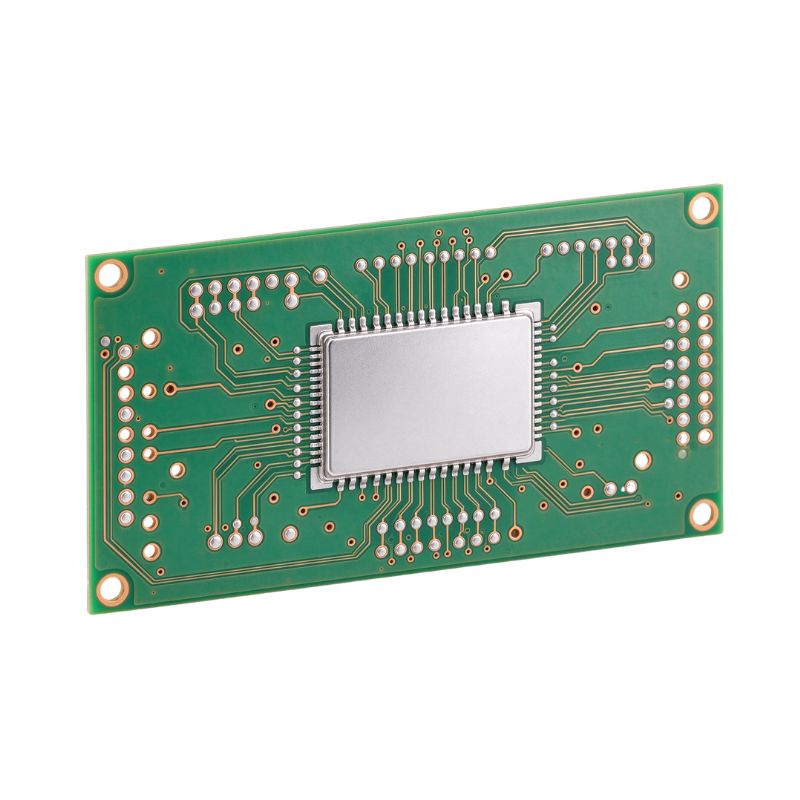
A more environmentally friendly option that delivers a better surface finish and a more uniform coating.
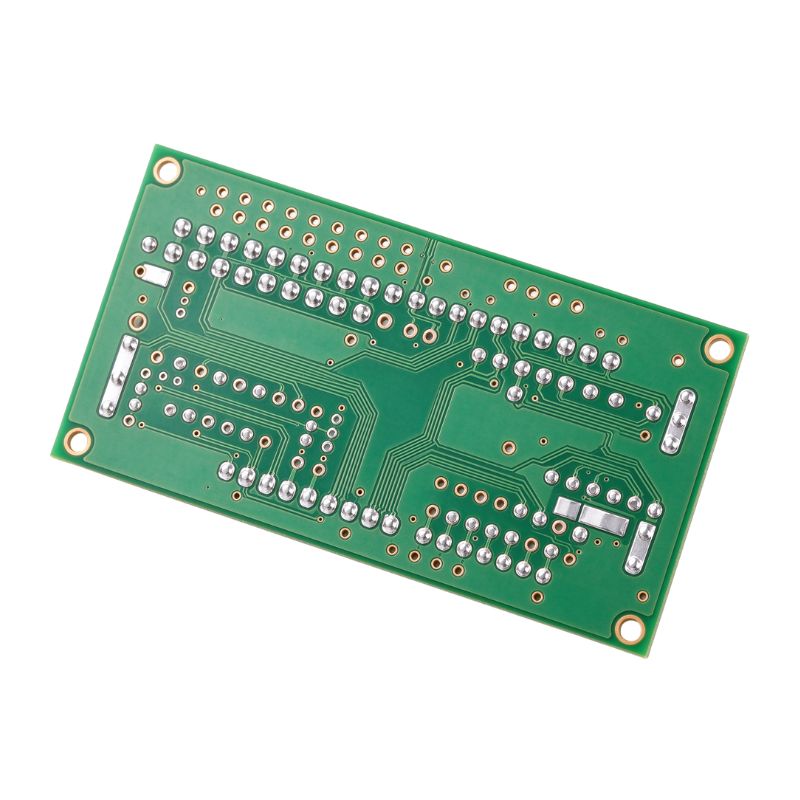
The addition of silver significantly improves the fatigue resistance and electrical conductivity of solder joints, ensuring stable signal transmission under high-temperature conditions.
HASL PCB by Board Types
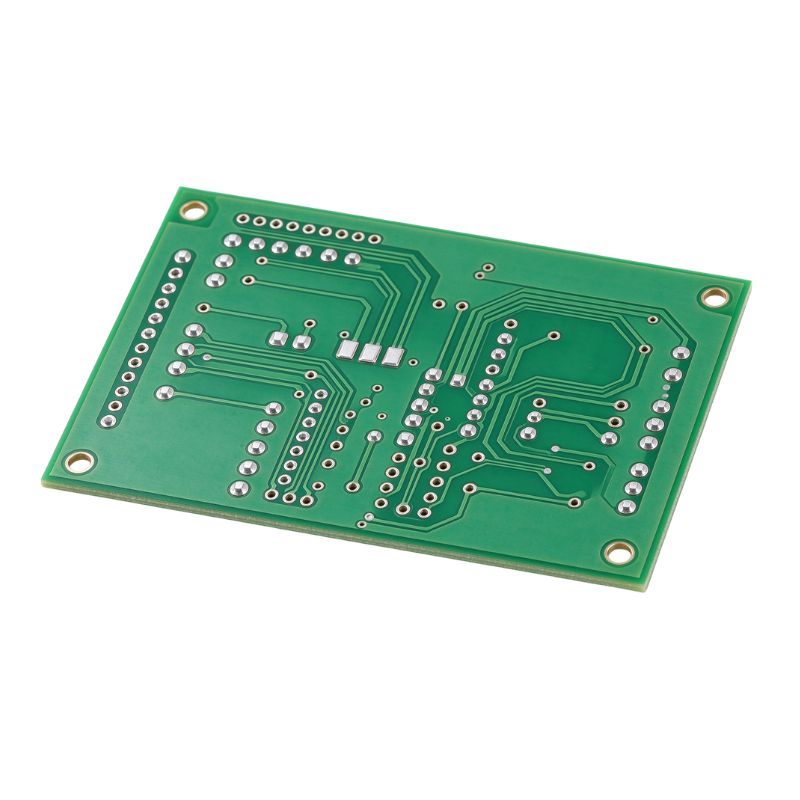 FR4 HASL PCB
FR4 is a widely used material for HASL PCBs, offering excellent structural strength and solderability.
 High Tg HASL PCB
CONSONS can provide you with boards with a Tg exceeding 170°C, offering better resistance to thermal shock.
 Metal Core HASL PCB
The substrate is made of metal, providing superior heat dissipation and electrical conductivity. Suitable for high-power equipment.
Benefits of CONSONS HASL PCB

The HASL coating effectively blocks air and moisture, preventing oxidation of the copper layer, and allows for storage of more than 12 months.

The solder coating/finish enhances the strength of component solder joints.

By using high-quality PCB laminates and optimized thermal shock control, our HASL PCBs can withstand up to three reflow cycles without delamination or bubbling.

We conduct the HASL process in accordance with the IPC-6012 standard, ensuring that the warpage of the finished board is less than 0.7%. This guarantees the stability and smoothness of subsequent SMT placement and prevents issues such as board jamming.
Support Customization
Customization options supported by CONSON include:
- Solder composition (lead-free/lead-containing, as well as the content of each component)
- Selective tin plating: You can choose to apply HASL or electroless gold plating to specific areas of the PCB (such as gold finger areas).
- Custom Panelization: We design the layout and borders based on your SMT trace design and dimensions.
- Adhesive Protection: CONSON applies temporary peelable masks to protect areas of the PCB that do not require solder.

China HASL PCB Manufacturer


- 20 years of experience in the EMS industry.
- Certifications: IATF 16949, ISO 13485, and ISO 9001.
- Factory-direct pricing and guaranteed quality control.
- Material certifications and testing reports will be provided in each batch of HASL PCB.
- 12-Month Warranty.
Applications of CONSONS HASL PCB
Power adapters, LED lighting—HASL’s thicker coating can withstand high current flow and thicker solder joints, ensuring the smooth operation of high-power devices.

For automotive applications, HASL PCBs feature thicker metallurgical solder joints, ensuring robust soldering results. Designed to withstand the high-frequency vibrations and thermal shock of automotive driving conditions, they enable control of in-vehicle audio and lighting systems.

The HASL PCBs provided by CONSONS comply with RoHS standards and support long-term storage. They are designed to accommodate batch assembly in your factory and meet the requirements for rapid tinning and efficient processing in consumer electronics.

CONSONS’ HASL PCBs feature low impedance control. When used for power connections, they reduce heat loss by lowering resistance. Combined with thick copper layers, they ensure high safety during power supply operation.

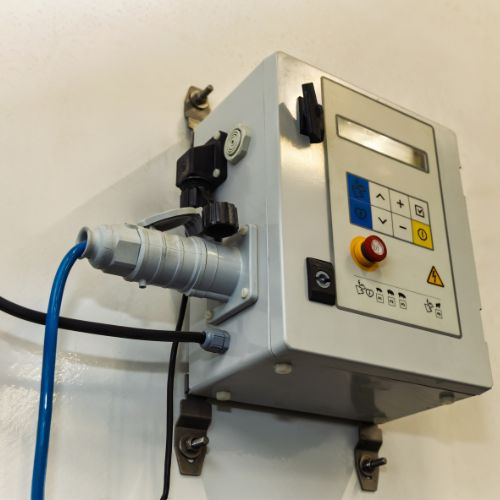
Industrial control equipment such as electrical control boards and industrial instrument panels typically feature wide spacing between components. CONSONS’ HASL PCBs support the encapsulation of large-sized leads, ensuring more stable and secure soldering.
Specifications
- HASL Process Specifications
- HASL PCB Manufacturing Capacities
- Technical Specification & Tolerance
| Solder Bath Temperature | 245–260 °C (lead-containing) 280–300 °C (lead-free) |
| Solder Immersion Time | 2-4 s |
| Air Knife Pressure | 0.30-0.50 MPa |
| Air Knife Temperature | 260-270 ℃ |
| Air Knife Gap | 0.95-1.25 mm |
| Air Knife Angle | 2-4 ° |
| Preheat Temperature | 120-180 ℃ |
| Preheat Time | 10-30 s |
| Item | Capacity |
| Finished Surface | Conventional HASL.Lead-free HASL |
| Coating Thickness | 1μm-25μm |
| Base Material | Shengyi (S1000-2M), ITEQ, Kingboard (KB), Isola (FR406), Rogers, Taconic, Arlon. |
| Layers | 1-30 |
| Tg | Low Tg: 130–140°C Standard Tg: 150–160°C High Tg: >170°C |
| Products Type | HF(High-Frequency)&(Radio Frequency) board. Impedance controlled board. HDI board. BGA |
| Solder Mask | Taiyo; LPI & Matt Red, green, yellow,white, blue,black |
| Lead Time | Prototypes: 24–48 hours | Mass production: 7–10 days. |
| Minimum line width/gap | 3.5/4mil(laser drill) |
| Minimum hole size | 0.15mm(mechanical drill)/4mil(laser drill) |
| Minimum Annular Ring | 4mil |
| Max Copper thickness | 6OZ |
| Max Production size | 900x1200mm |
| Min Solder Mask Bridge | 0.18mm |
| Aspect ratio | 10:1 |
| Board Thickness | 0.4-7.0mm Multilayers:0.40-7.0mm, |
| Plugging Via capability | 0.2-0.8mm |
| Plated holes Tolerance | 0.08mm(min+0.05) |
| Non-plated hole tolerance | 0.05min(min+0/-0.05mm or +0.05/-0mm) |
| Outline Tolerance | 0.15min(min+0.10mm) |
| Functional tests | Insulating resistance: ≥109 Ω Peel off strength: 1.4N/mm Thermal Stress test :288°C 10 seconds,3 times Solder mask hardness:6H E-Test voltage :500V+15/-0V 30S Warp and Twist: 0.7% (semiconductor test boards0.3% ) |
Custom HASL PCB Manufacturing Process
First, you need to upload your HASL PCB Gerber files and specify the HASL process type, board parameters, and any requirements for protective processes so that CONSONS can provide you with a process that precisely meets your needs.
During the subsequent DFM/DFT analysis, CONSONS will evaluate the following parameters based on actual manufacturing processes: pad spacing, HASL thickness suitability, via diameter, and more. Once the verification is complete, you will receive a detailed analysis report.
After the final layout design is confirmed, CONSONS will complete the production of HASL prototypes within 1–2 days. During this period, we will also verify the HASL tin layer thickness and performance through tests such as impedance and thermal shock performance testing.
Once the samples are approved, your HASL PCBs will proceed to mass production, quality inspection, and shipment. Only PCBs that comply with standards such as IPC-A-600 Class 2/3 and ISO/UL will be shipped to your facility.
First, CONSONS cleans the PCB surface to remove dirt and oil, and applies a liquid chemical to the copper foil surface to aid in soldering, ensuring better solder adhesion. Next, the circuit board is immersed in a hot bath containing molten solder (up to 265°C) and passed through a high-pressure hot air knife to remove excess solder, resulting in a smooth solder deposit.
No. Because the coating formed by HASL is relatively thick (1–25 μm), its surface may not be smooth enough for fine-pitch components, as molten solder may form blisters under the influence of hot air.
This uneven surface finish is unsuitable for high-density integrated circuit packages such as BGAs and QFNs, as it can cause uneven soldering of closely spaced pins, leading to short circuits, cold solder joints, and other issues. For packages with fine-pitch components, CONSONS recommends the immersion gold or OSP process instead.
It’s difficult to say which is better, your choice depends on the specific application.
HASL is not suitable for the packaging of small electronic components. For components with larger spacing, you can choose this process.
ENIG offers stronger resistance to oxidation and better surface flatness. The nickel-gold layer on top enables high-speed signal transmission.
OSP refers to a coating formed through a chemical reaction, which has a lower manufacturing cost. It is primarily used to prevent copper oxidation. Since the OSP coating is not conductive, it cannot be used in electrical contact areas such as gold fingers.
Lead-free HASL: It requires higher processing temperatures (280–300°C), so it places higher demands on the PCB substrate’s Tg; however, it is more environmentally friendly and fully complies with RoHS/REACH standards.
Lead-containing HASL: Processing temperature ranges from 245–260°C. The thermal stress on your PCB during processing is lower.
You need to notice that both of the lead-free and lead-containing HASL are not suitable for fine pitching. If you need to package BGA/QFN with pitch lower than 0.5mm, ENIG and OSP are better choices.
To maintain the normal shelf life of HASL PCBs, CONSONS recommends storing them in an environment below 30°C, while keeping humidity below 60% to prevent moisture from affecting PCB quality.
For unsealed HASL PCBs, it is best to complete SMT assembly within 48 hours.
No, they won’t. CONSONS applies a standard-thickness plating layer to HASL PCBs and packages them in vacuum-sealed, moisture-proof packaging. Therefore, under normal room temperature and humidity storage conditions, this effectively isolates the PCBs from moist, warm air and inhibits the growth of Intermetallic Compound(IMC). Additionally, the aging tests we conduct before the products leave the factory further ensure the reliability of their shelf life and performance.